It’s the end of 2025 and that the Indiana General Assembly has called its vote throughout the year and will be on recess until the 2026 session, which is a short one, starts on in January. Imagine that lawmakers recently voted down a hot-button redistricting bill in Congress that was supported by the president Trump as well as the governor Mike Braun, with the Senate having voted 31-19 in opposition despite a lot of pressure. Republicans joined Democrats to block the bill which could have redrawn maps to help GOP gains in the 2026 midterm elections.
You’re now facing a tinier “short” session that ends in the first week of February. There’s no huge budget revision because the biennial agreement is up to 2027. However, changes are likely to impact property taxes, soaring Medicaid costs and shifts in health care such as MDwise dropping out of managed care on January 1. The buzz is that FSSA will be looking at drastic cuts to limit Medicaid’s nearly-doubling to $5 billion per year, and revenue shortfalls the previous year sting.
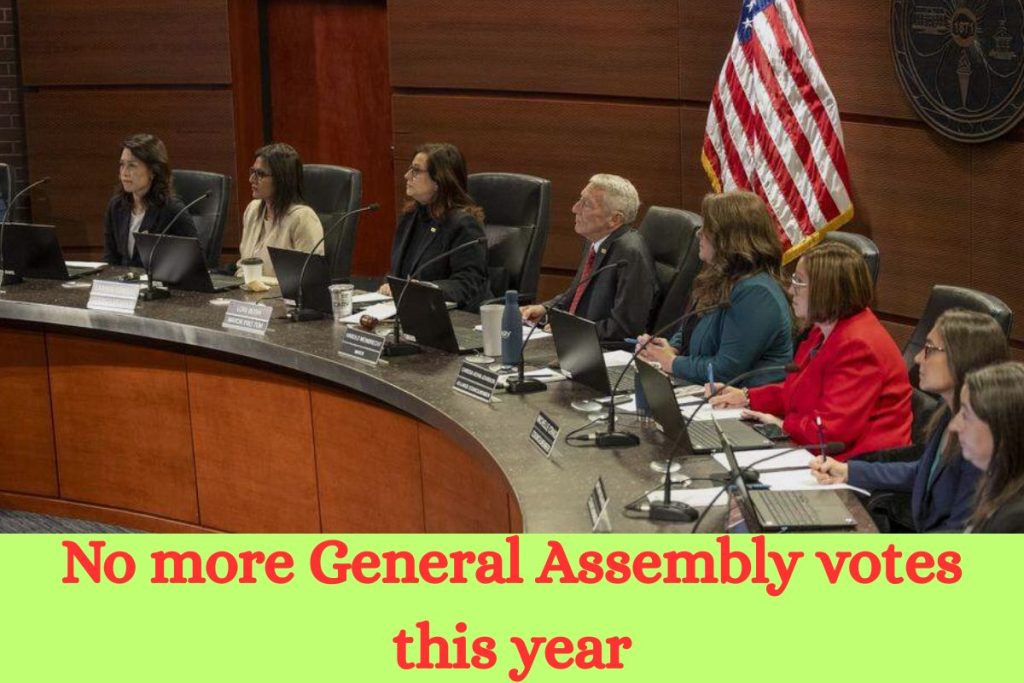
No more General Assembly votes this year
If you’re an Hoosier managing bills or running your own business within South Bend, you wonder what the impact of these fights will be on your budget as well as your family’s coverage or the roads of your community. Keep an eye on 2026 for disputes over work requirements in the Healthy Indiana Plan 3.0 as well as eligibility checks and possibly even changes to education or childcare and federal shadows such as ACA subsidy expirations cause the heat. You should be able to hear the truth about what’s coming up so that you can make plans without the nonsense.
No More General Assembly Votes Overview
The big picture is revealed quickly with this two-column breakdown of the items that are being relegated to 2025, and what’s in the pipeline for 2026.
| 2025 Wrapped Up | 2026 Fights Ahead |
| This year, there are no votes and the recess will last until January 5. Redistricting legislation was defeated 31-19 by the Senate. | The session was short (Jan 5 – 27 Feb) Budget tweaks, not a full revision. Medicaid cost is exploding, reaching $5 billion. |
| The biennial budget was approved in April ($53B FY26 and $54 billion FY27) after a $2B shortfall scramble. | The tax on properties “tweaks,” HIP 3.0 work rules effective July 1. MDwise quits Medicaid January 1. |
| 244 bills are signed. The focus is on health transparency, education and energy. | Priorities for health care such as screening for eligibility, fraudulent curtails and tax rates for providers that are federally capped. |
| Official Website | https://iga.in.gov/ |
Why No More Votes Now
You can see that the General Assembly hit pause after the dramatic redistricting disaster on December 11, Senate Chairman Rodric Bray as well as 20plus GOP senators defied Trump, Braun and House pressure by putting down the bill to prevent the mid-decade chaos of gerrymandering. With the long session of 2025 completed in April, without a special session imposed lawmakers to take a break as in accordance with Senate Concurrent Resolution 1, aiming for Organization Day vibes but keeping the calendars open earlier in the event of. This is a breather and it eliminates rush maps that could have made Indianapolis voters to travel up to 124 miles for their vote to ensure fair play until the 2027 redistricting process. You can now focus on the holidays without Capitol drama But mark your calendars: the short session begins on Jan. 5 at 11:30 p.m.
Budget Tweaks Coming Your Way
Be prepared for budget controversies, even without the full overhaul. The 2025 budget has set a $22.77 billion for the general fund in FY26, after cuts to health care, increased education and a cigarette tax hike have plugged a $2.2 billion gap. Lawmakers look at “tweaks” on property tax rates in the face of rising costs and Governor Braun urging relief, as Senate Republicans prioritize fiscal discipline. It’s happening locally: Indianapolis slashed agency funds and raised building permits to fill the gap of $43 million from tax reforms to the state. They are chasing the $50m road grant in 2027 when they pay matching revenue. Expect debates over efficiency 5 reserve percentage for agency funds, no major increases, but the revenue forecasts are low, so keep an eye out for the impact on taxes or the services you use, like road construction in South Bend.
Medicaid Shakeups Hit Home
You depend on Medicaid? Prepare for 2026’s fireworks, with costs are expected to increase by nearly five billion in 2030. This is caused by the an aging Hoosiers (1 out of 5 retires in the near future) and high use which has prompted the FSSA’s Mitch Roob to push value-based health care, telehealth, as well as cuts such as ending ads. MDwise has a chance to go out of the Healthy Indiana Plan and Hoosier Healthwise January 1, requiring the users to look into for new managed care plans that will allow you to keep doctors on board; waivers like FSW/CIH include service caps and self-direction increases (10 percent of users and parents are not required to pay for adult children) The redesign is scheduled for July 2027. HIP 3.0 is set to be implemented with work requirements on July 1st, preventing perks and cost-sharing plus the federal tax caps on providers cut into the state’s matching funds. It is important to confirm your the eligibility of your current provider; hospitals are eyeing the $200 million in rural aid but the fraud check and ABA therapy inspections mean more stringent rules to come.
Other 2026 Hot Spots
There are plenty of other issues that are bubbling up during the brief session: taxation, workforce education, childcare and taxes top of the list, with House Education Chair Bob Behning’s long-term Title 20 overhaul repealing old rules, such as secretary experience mandates. Health care transparency builds upon 2025’s successes, but energy bills are lingering and NFIB puts small business priorities under the tight schedule that ends on February 27. Federal ripples – like ACA subsidies that expire on December 31, which increases premiums 114% for people who receive subsidies may overflow Indiana with people who are uninsured, threatening the state Medicaid further. It’s a good idea to track costs at iga.in.gov, The priorities of Braun, Chamber and teachers are withdrawn in on January.
You are now empowered to take the 2026 election. Assembly’s 2025 vote stops the redistricting saga However, budget changes and Medicaid reforms require your input. Make contact with lawmakers, confirm your health insurance plan and monitor iga.in.gov to help shape the outcome that will protect your family and finances in Indiana. These battles determine if your expenses are contained or rise. Your participation can tip the scales.
FAQ’s
What time does the session of 2026 start and close?
You note it reconvenes on January 5, possibly wrapping the 27th of February in the early hours. This session will not be a the full budget.
What are the Medicaid changes impact me and my entire family?
Check your coverage right now. MDwise is gone on January 1st. waivers limit services, HIP has added work rules on July 1. Call FSSA to make the switch smoothly.
Do my taxes alter by 2026?
Property tax changes are expected but no major relief as of until now; look out for any revenue-driven hikes or cuts with shortfall-related echoes.

Hi, I’m Harikesh, a content writer at cgncollege.com. I write engaging and informative articles covering the latest news, India, and global updates. My goal is to keep readers informed with accurate and insightful stories from around the world.